

Managing symptoms
The symptoms of scleroderma can affect your quality of life, but there are many things that can be done to manage them. Here you can find advice on how to cope with different symptoms and what you can do yourself to help.
1 min read
Your doctor or nurse will also be able to help you. They have the knowledge and experience to address any questions you have (or at least point you in the right direction for answers), so don’t be afraid to ask.
Learn more about symptom management


Joint and muscle symptoms


Digestive system symptoms
The facts:


Tips to manage your symptoms

The energy and nutrients that make your body work well come from your food and drink, and a balanced healthy diet.

There is scientific evidence that being active can help you lead a healthier and happier life.2

More and more evidence suggests that being mindful not only reduces stress and anxiety, but builds resilience.3

A study showed that people with scleroderma who stopped smoking had improvements in some of their symptoms, such as Raynaud's phenomenon.4
You may also like to read:

Adjusting to your diagnosis

Monitoring scleroderma

Treatment
-
Allanore Y, et al. Systemic sclerosis. Nat Rev Dis Primers 2015; 1:1–21.
-
De Oliviera N et al. Aerobic and resistance exercise in systemic sclerosis: State of the art. Musculoskeletal Care 2017; doi: 10.1002/msc.1185.
-
Cavanagh K et al. Can mindfulness and acceptance be learnt by self-help? A systematic review and meta-analysis of mindfulness and acceptance-based self-help interventions. Clin Psychol Rev. 2014;34(2):118-29.
-
Hudson M et al. Cigarette smoking in patients with systemic sclerosis. Arthritis Rheum 2011;63(1):230-8.
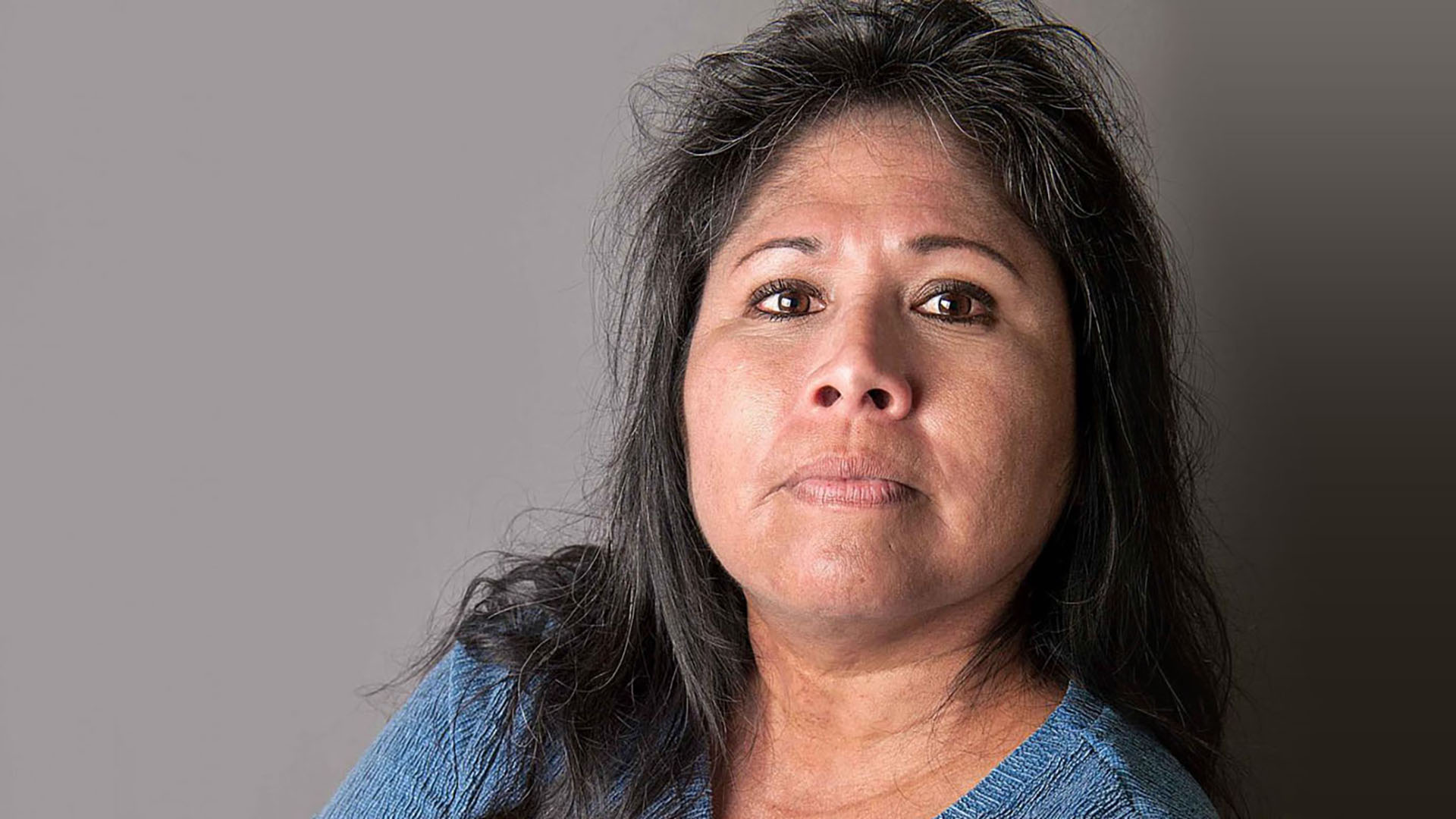

– Maria